Why filing cabinets could kill accounting
Alistair Croll That sounds like a bit of a linkbait headline, but it’s true. The profession of accounting is founded on data models invented in the seventeenth century.
That sounds like a bit of a linkbait headline, but it’s true. The profession of accounting is founded on data models invented in the seventeenth century. Fintech startups might kill accounting, but it has only itself to blame.
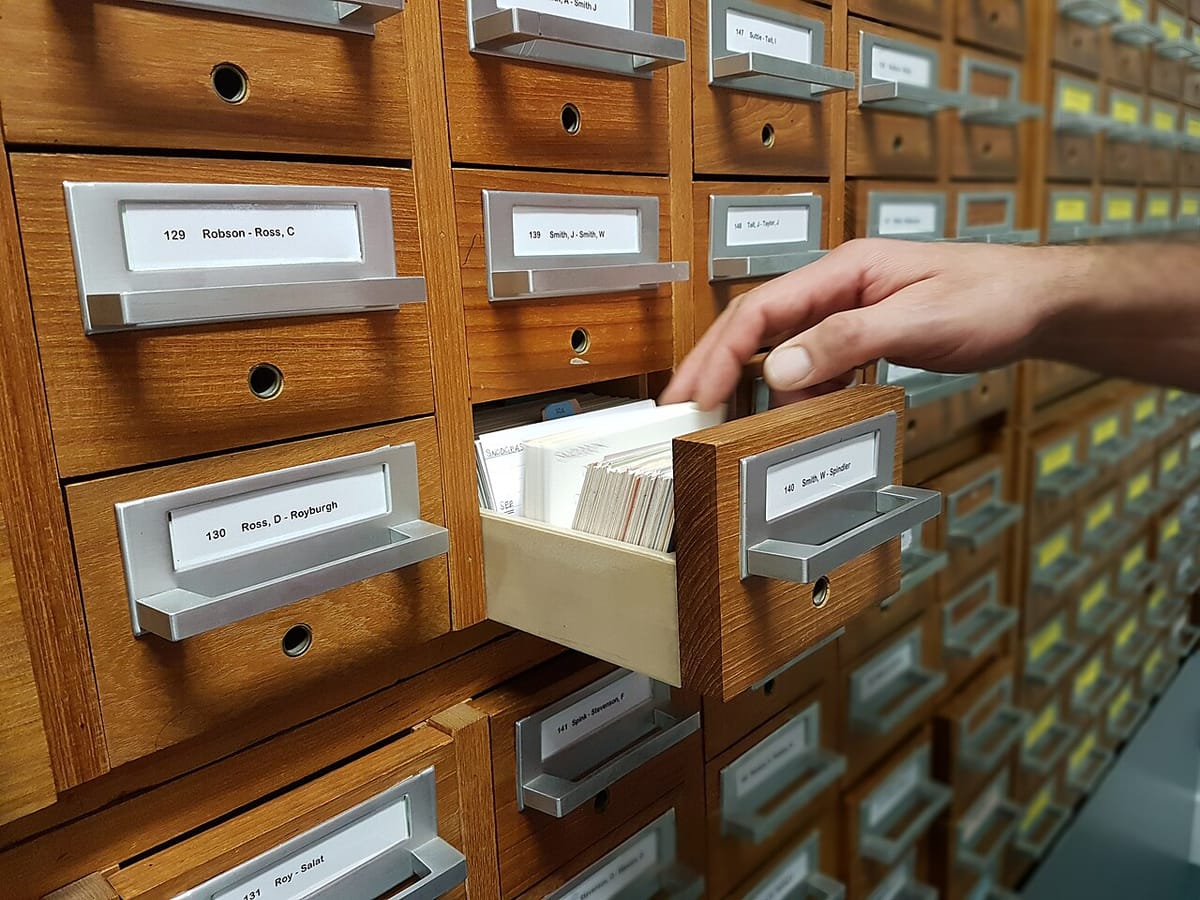
Consider, for example, the practice of account classification, which tells an accountant where a particular asset should be recorded. It’s bit like using a filing cabinet, and knowing which folder each document should be stored in. But dragging the physical attributes of a filing cabinet into a digital world limits how we innovate — and as a result, accounting is held back by its reliance on these kind of older models.
Airplane coffee
I’m drinking a cup of coffee on a plane as I write this. The airline might file it under a passenger (Alistair); an object (cup); or a beverage (coffee). It might even file it under the seat I’m in, or the flight number; it might add information to the cup over time.
Imagine you want to file my coffee cup somewhere in a physical filing system. Where does it live? Where do I keep a tally of cups served, or of liters of lackluster airline coffee served? Someone tasked with counting cups during a beverage audit might not look under coffee.
One approach to solving this might be to make several copies of my cup of coffee, filing one under “alistair,” one under “cup,” and one under “coffee.” But then a note made on the “Alistair” cup wouldn’t be updated to the “cup” and “coffee” instances of the cup. The copies would quickly diverge, and the filing system grow unwieldy.
To tackle this problem, accountants follow a system of account classification that tells them where to file things: costs, bill payments, physical goods, and so on. In other words, there can be only one “Alistair’s Cup of Coffee,” and it’s filed under “cups.”
Hashtags break GAAP
In a modern, digital world, there’s an object, which might be tagged as #coffee, #alistair, #Seat19D, #cup, and myriad other meaningful pieces of metadata. To get a tally of cups, you’d add up #cup; to find out how much coffee you’d served, you’d add up #coffee. Hashtags are a different kind of filing system, one that’s patently obvious to anyone who’s tagged a picture in Facebook or added a hashtag to a Tweet. But it’s not how accounting works.
Hashtags are unstructured data, the domain of big data and high tech, and it’s hard to fit into the concept of a filing cabinet. Accounting doesn’t like unstructured data; it’s fundamentally about structure: “…those involved with internal and external financial reporting are limited, by training and inclination, to working with structured data—the kind that can fit readily into tables, Excel spreadsheets and, ultimately, financial statements.” Even if accounting wants to change, it needs to fundamentally reinvent itself at its core, and convince regulators and banks that the changes it’s making are safe and reliable.
In other words, it’s hard for accountancy to think new thoughts.
You canread the whole post on O’Reilly Radar. And if this is your kind of thing, you should probablyjoin me at Next:Money in September.