The final moat
Every company wants customer loyalty. What's more loyal than cognitive lock-in? My take on Apple's long game.

Apple announced two important things recently: Liquid Glass, the new UI for its latest version of IOS that makes UI elements translucent; and features that make an iPad feel even more like a laptop.
Response to both has been mixed. The translucent UI can make things seem blurry, particularly when whatever’s behind the interface element has contrasting colours. And new features like file management, menu bars, and windowing make the iPad more complicated.
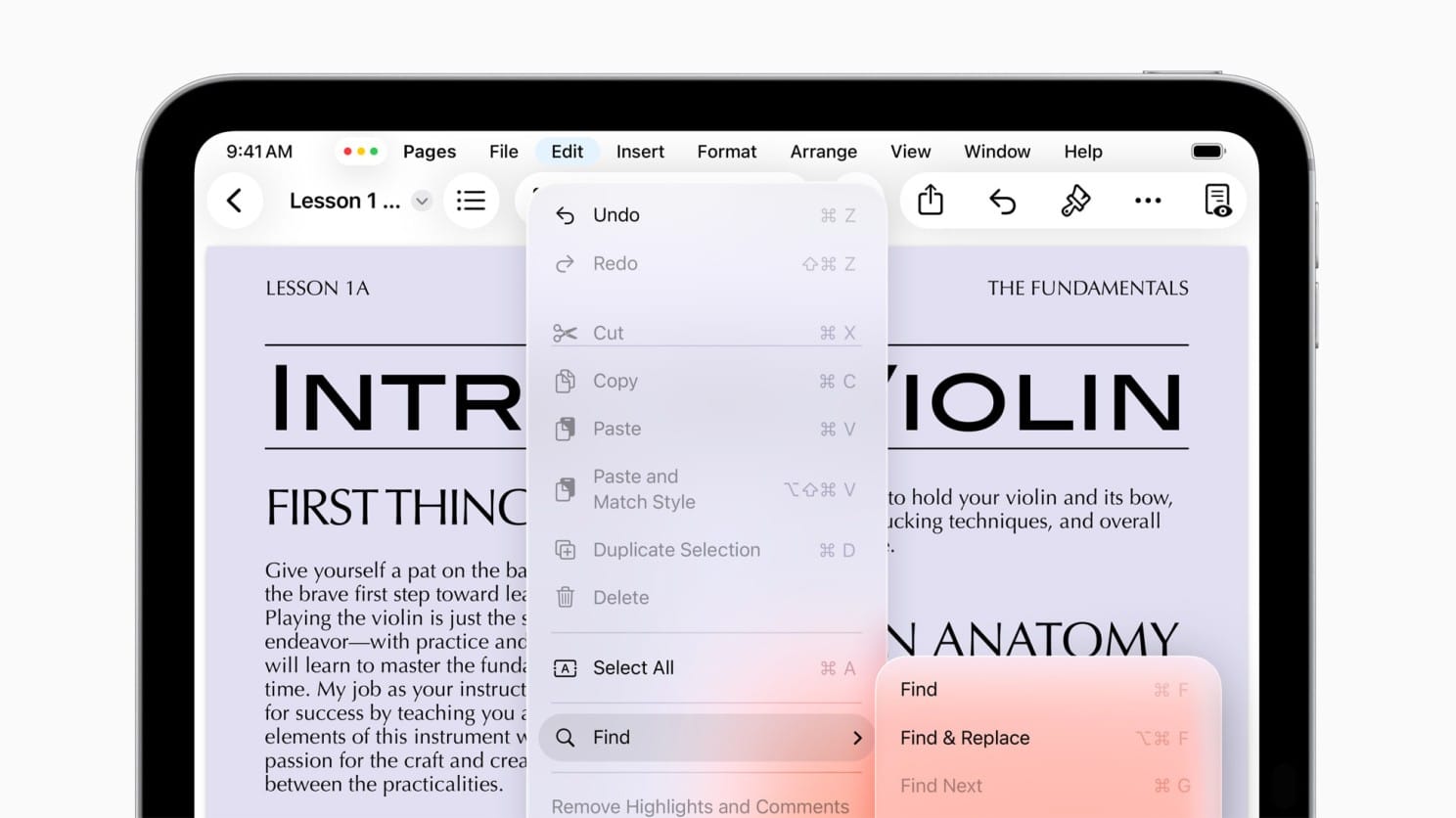
Making the iPad more like a laptop surprised many analysts, because traditional marketing strategy is to keep different product lines distinct. Seen through a traditional marketing lens, Apple’s ideal customer owns an Apple Watch, AirPods, an iPhone, and iPad, and a Macbook (and maybe even the Vision Pro headset.) And pays handsomely for music, TV, news, and games.
But that’s not really Apple’s ideal customer.
A couple of years ago, I wrote about the Last Millimetre problem. It remains the only thing I’ve ever written that William Gibson ever liked. And it ended with the sentence, “As a species, we are at the acoustic coupler stage of our connection to the digital realm. And Apple is Ono-Sendai.”
If you haven’t read that piece, I suggest you go back and do so. It details an Apple Neurotechnology Prototyping Researcher’s years of study into “trying to predict if you are feeling curious, mind wandering, scared, paying attention, remembering a past experience, or some other cognitive state.” That was at least 5 years ago.
When London cab drivers learn The Knowledge, the map of London they must memorize flawlessly to get their license, their brain physically changes. We have no real idea how our phones and airpods are changing our brains, because we have no control group—but there’s no question they are.
Apple’s ideal customer has a brain that is physically compatible with Apple’s devices.
I’m an Apple user. I love their devices; they have dramatically expanded my cognitive skills, and connect me in ways science fiction writers completely failed to anticipate even ten years ago. When I try to use my Windows machine for gaming, my brain stalls. When I try to navigate an Android OS, it feels foreign. Over the last decade, this use has made me compatible Apple; as I age, and my cognition shrinks from novelty, I will become completely dependent on it.
Apple’s goal isn’t to get you to buy a range of devices by creating narrow divides between its products. It’s to build a competitive moat by changing users’ brains, so that any attempt to switch feels completely alien.
Seen in that context, Liquid Glass is just normalizing see-through user interfaces to normalize heads-up displays and VR goggles (their press release says it is “inspired by the depth and dimensionality of visionOS”). Seen in that context, iPadOS 26 is about making transitioning from device to device seamless, keeping you in the Apple ecosystem whether you’re typing on a laptop, watching TV, listening to a podcast, hiking a trail,. navigating a city, or working on a jobsite.
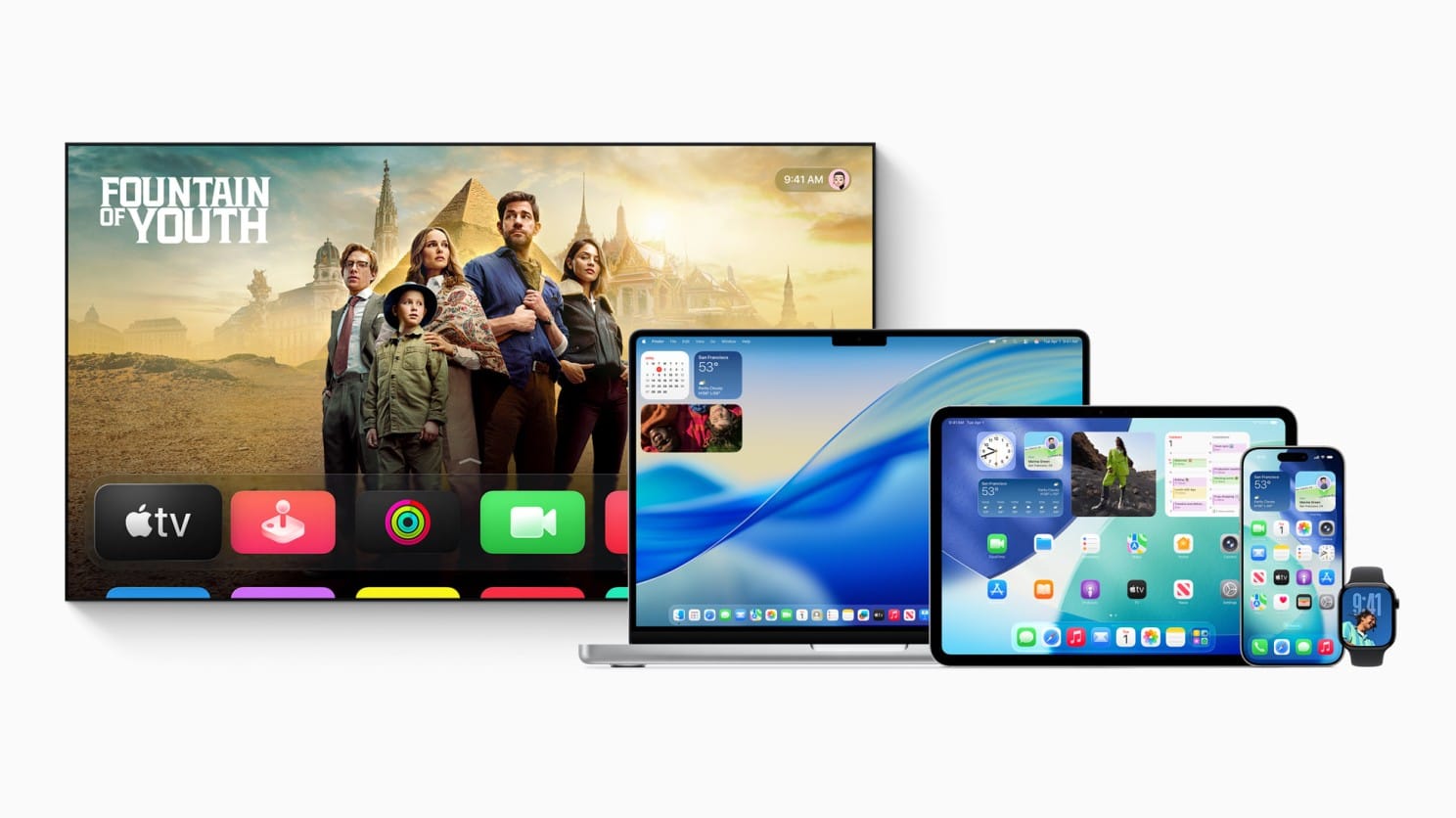
iOS is MacOS is VisionOS is WatchOS is my brain’s OS.
Because rewiring users’ brains is the ultimate competitive moat.