Books

Books
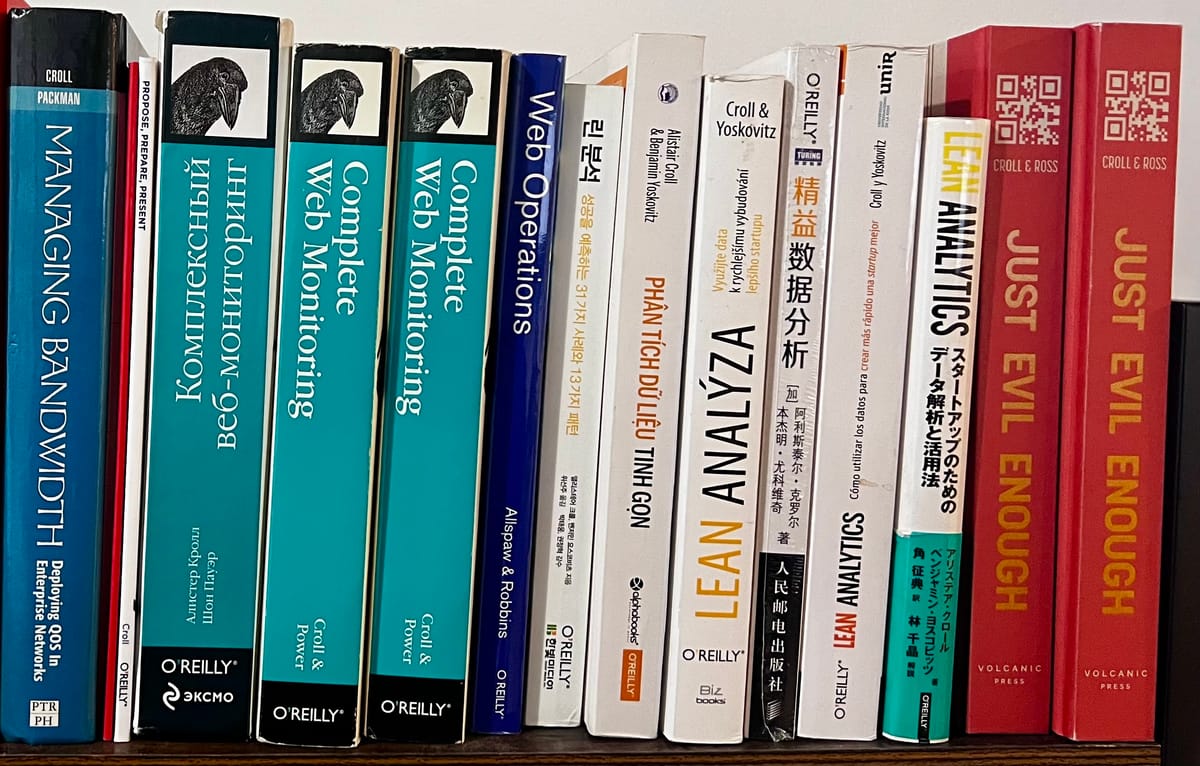
Each book I’ve written collects what I’ve learned about a particular aspect of technology and disruption.
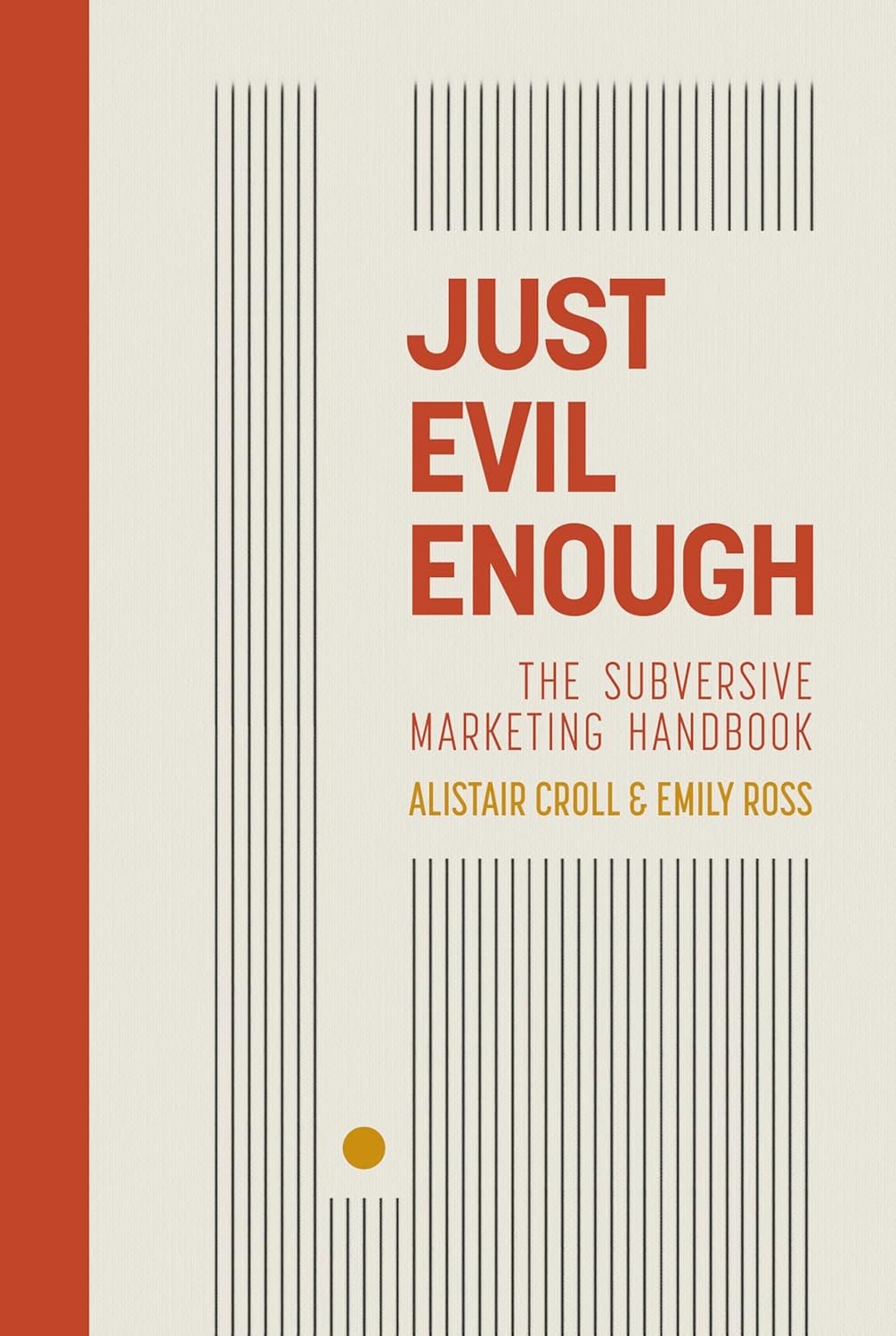
Just Evil Enough
In the attention economy, the biggest risk isn’t if you can build something—it’s whether anyone cares.
Emily Ross and I spent eight years understanding how underdogs and challenger brands subvert norms, hack markets, and find unfair advantages. The result is Just Evil Enough: it’s packed with hundreds of case studies, and practical frameworks to build your go-to-market strategy.
It’s also damned interesting.
"The genuinely subversive, joyful sense of mischief you'll learn from this book is the one quality your competitors will find impossible to copy."
Rory Sutherland, Alchemy
"Just Evil Enough is a MUST-READ. I absolutely bloody loved this book and you will too."
Cindy Gallop, Make Love Not Porn
"Packed with real-world examples and practical advice."
Eric Ries, Author of The Lean Startup
"This might just be the most impactful marketing book I've read in almost a decade."
Unsolicited mail, a random reader
Something extra
Shortly before Just Evil Enough was available, I joined the inimitable Lenny Rachitsky on his podcast to explain why product managers need to incorporate go-to-market tactics and subversive thinking into their work. Here's the interview.
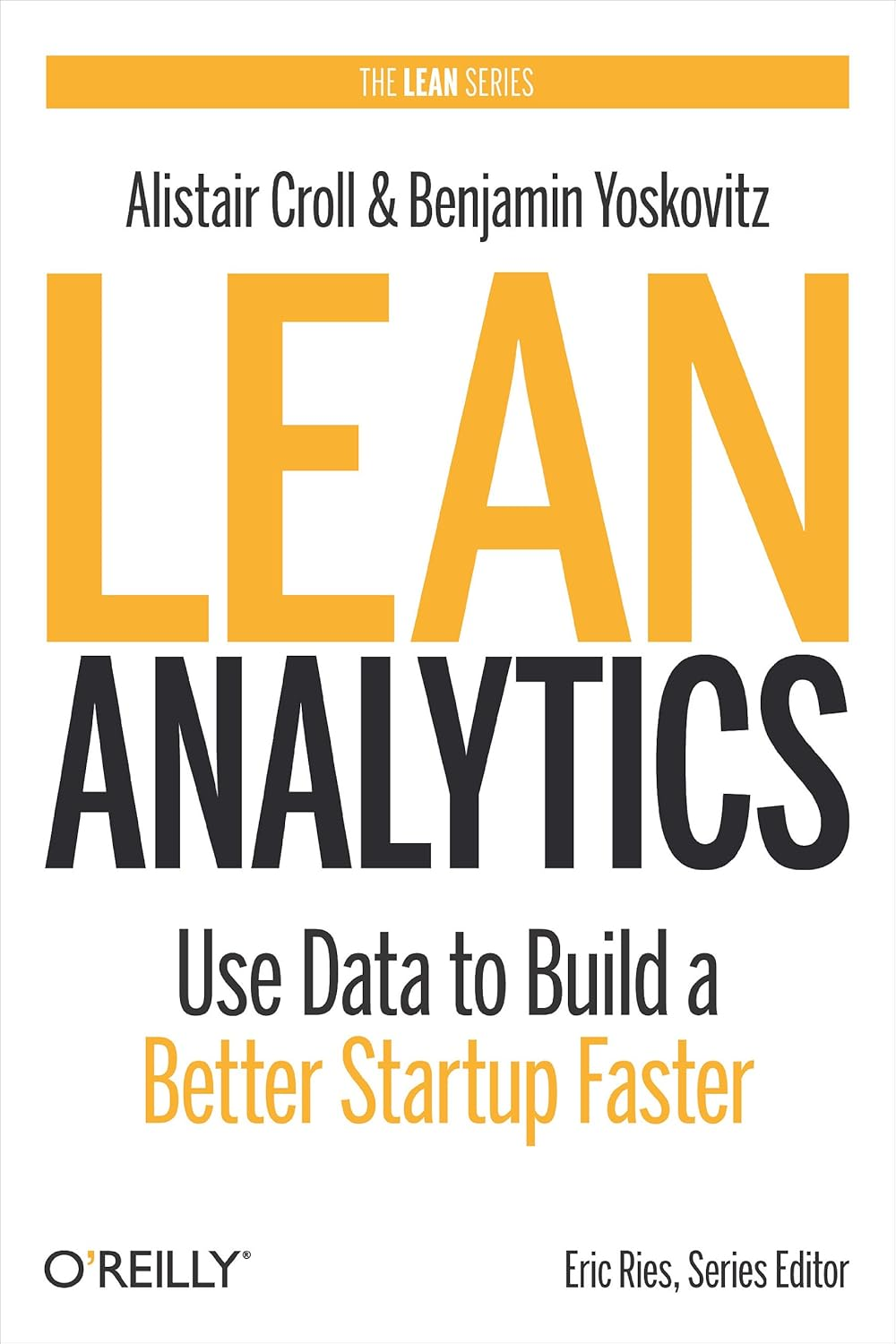
Lean Analytics
The Lean movement forever changed how we create products and companies. Instead of big, monolithic product plans, it focuses on understanding the customer, testing the risky parts first, and quick, iterative learning.
But how do you know what to measure? When Eric Ries released The Lean Startup, he asked my co-author Ben and I to write the answer to that question. In the decade since it was released, it's become required reading for a generation of founders.
"The lessons in Lean Analytics apply to organizations of all shapes and sizes, from small business to big government."
Jennifer Pahlka, Founder of Code for America
"A much-needed dose of reality."
Brad Feld, Foundry Group
Something extra
Google asked me to speak to them about the concepts in the book. Here's a 90 minute video of a session I delivered for Google Ventures, covering many of the book's fundamental concepts.
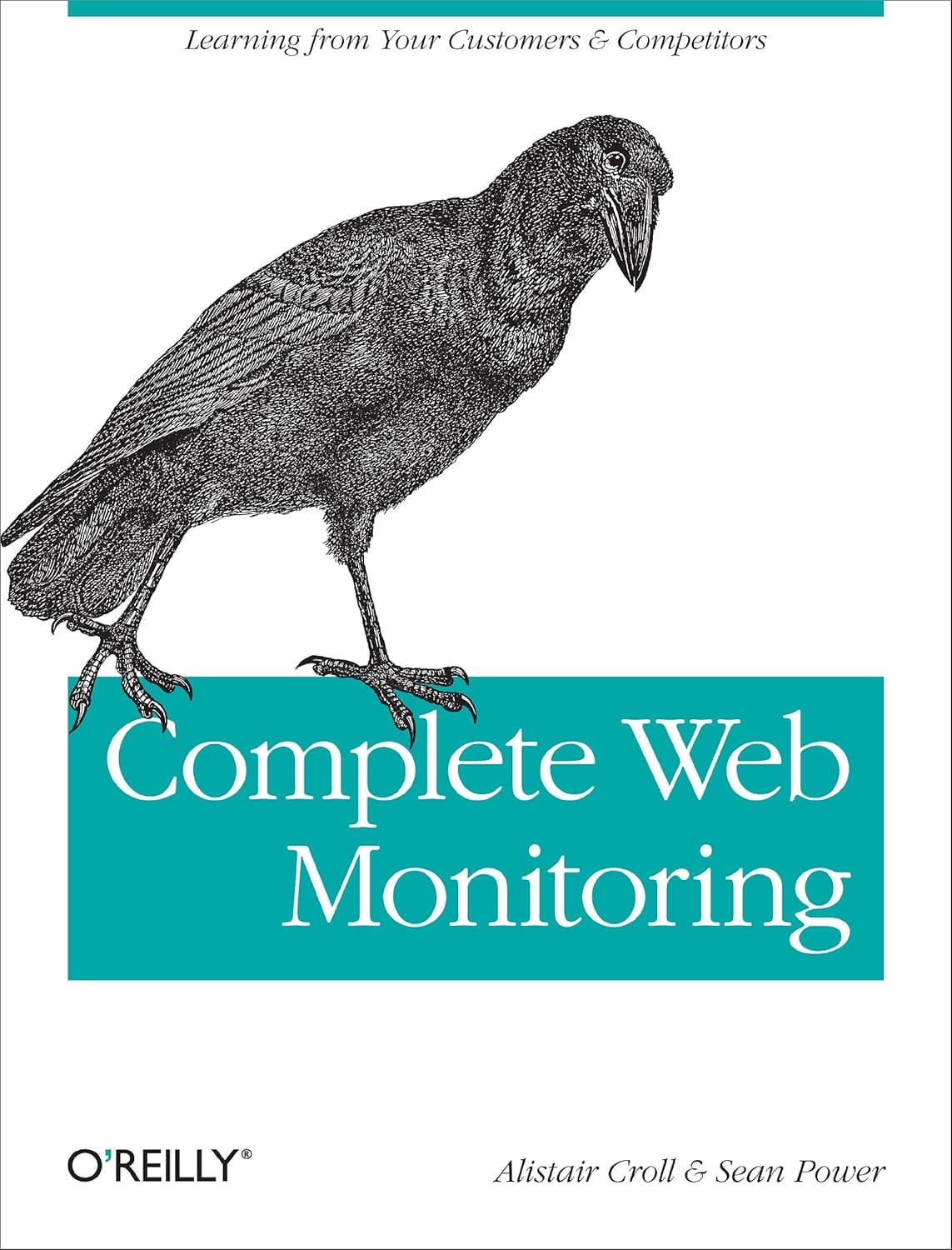
Complete Web Monitoring
Facebook opened to the public in 2006, the same year Twitter went online. LinkedIn was three years old. There weren't many turnkey hosting platforms: Squarespace and Wix were just getting started, and Wordpress was the go-to tool for personal sites.
If you ran a website in 2008, you didn't really know whether people could use it. You tried it yourself, tested it on friends, and hoped for the best.
Complete Web Monitoring showed an emerging industry how to understand its online presence, and was one of the first books to tackle the measurement of social media.
Managing Bandwidth
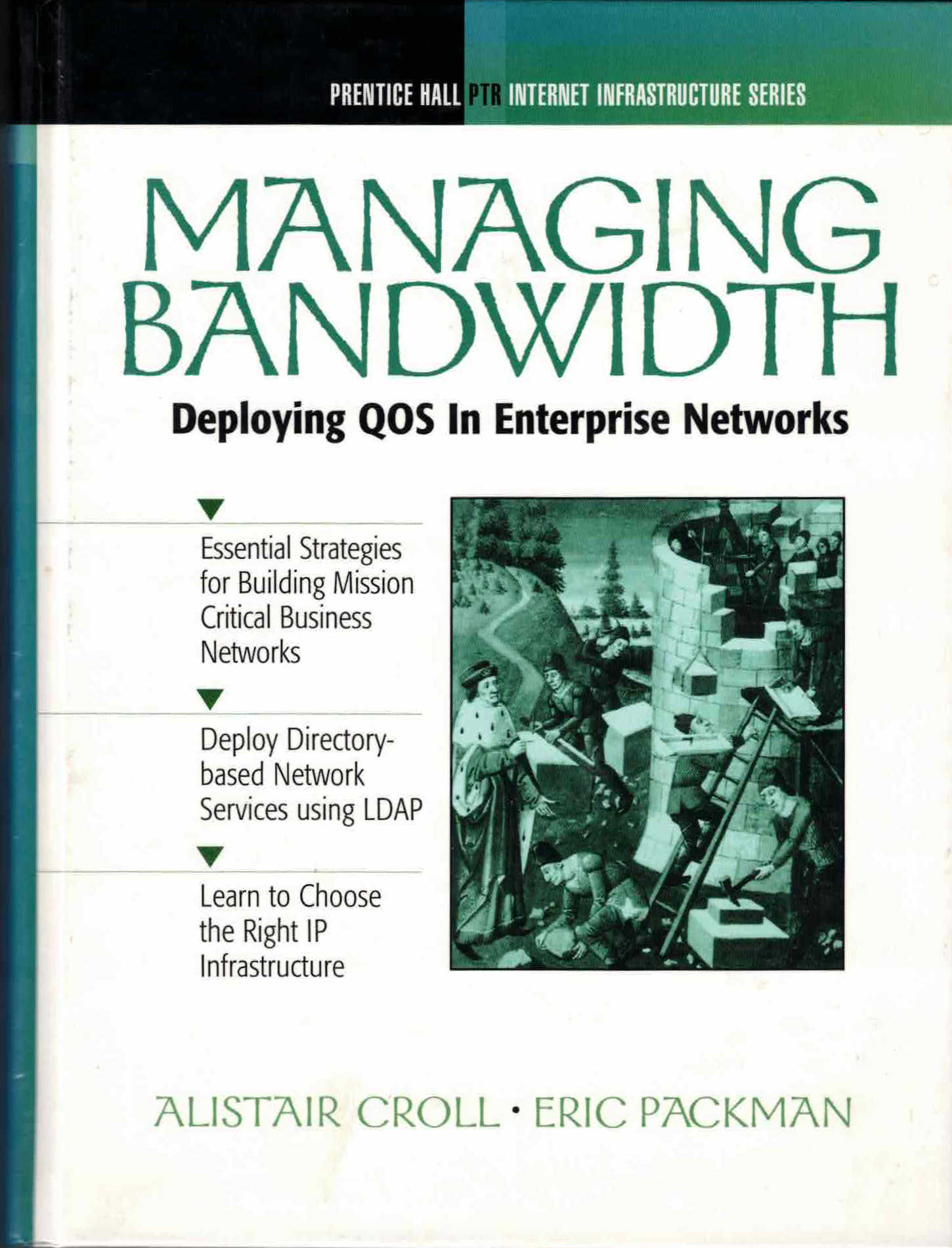
We take the Internet mostly for granted today. But there was a time when bandwidth was scarce, and Interop—the original networking conference—took over all of Las Vegas.
I worked as the product manager for bandwidth management at 3Com, the company that invented Ethernet. Prentice-Hall asked me to write a book as part of their Internet Infrastructure series, with Paul Mockapetris (the inventor of DNS and the creator of SMTP) as the series editor.
Managing Bandwidth is about delivering internet Quality of Service (QOS). It's complicated stuff deep in the guts of the Internet, but years later I still love knowing what happens deep down in the guts of a router.
Propose, Prepare, Present
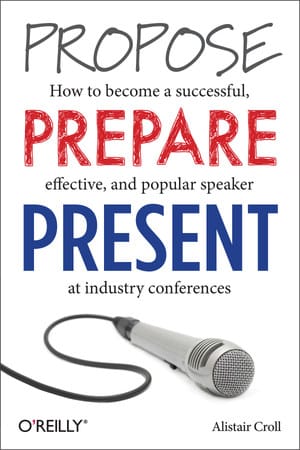
What does it take to be chosen to speak—and to rock the mic when given the chance? This book takes you behind-the-scenes of the conference process, showing you how to submit, plan, and deliver a talk that matters.
What began as a blog post turned into a short book on what it takes to propose talks that get picked, prepare beforehand, and present on stage. "The people who get chosen, and give great presentations, follow the rules in this book," said Gina Blaber, the head of O'Reilly's conference business.
Music Science
Today, the impact of technology on the entertainment industry is obvious. Generative AI is filling our feeds—for better or worse. Digital tools are a fundamental part of any production pipeline. But in 2015, the intersection of data, tech and the music industry was a fringe topic at best.
That year, in preparation a track on the topic at Strata New York, I spoke with more than 70 scientists, founders, and artists from around the world about how the digital realm was enabling—and encroaching—on their careers. The result is this short book on how technology was forever changing the music industry.
There's a long writeup of most of the book's findings on O'Reilly's blog, too.
Something extra
Here's a conversation I had with Amanda Palmer in 2016 while researching the book in which she asked, "are we algorithming ourselves to death." Pretty prescient.
Here's Dolby's Poppy Crum talking about the future of sound.
And here's Zoe Keating on data and the creative process.